Who Are We?
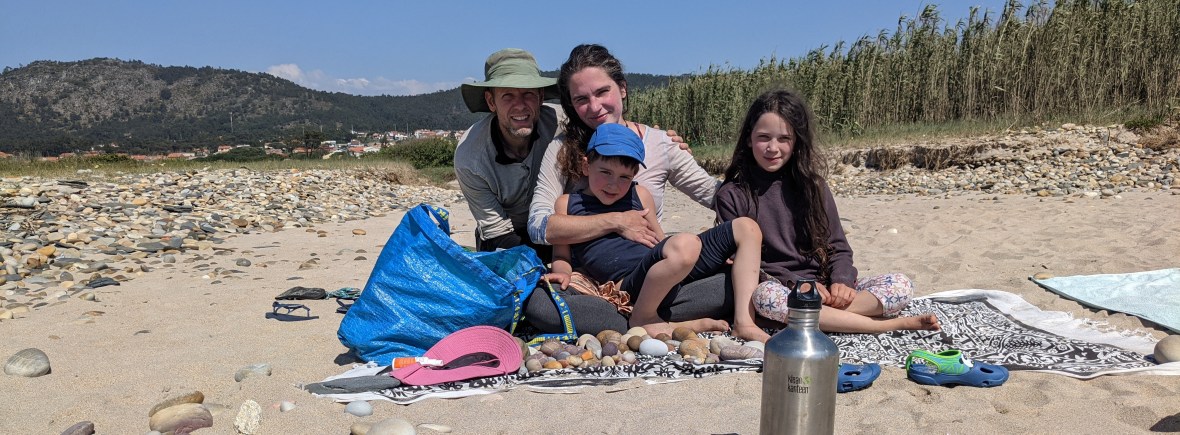
We are a family of four: Haffy, Tal, Ella and Oliver (and our cats, Falkor and Atreyu).
Our journey began over 20 years ago, when Haffy, then a young Dutchman, and Tal, still a young Israeli-American woman, met in a remote hostel in New Zealand.
We continued traveling the world together, eventually settling down in New York and then Tel-Aviv, each for just short of a decade. In 2017 we packed up our lives and left Israel in search of our new home, with two children in tow.
We were on the road for nearly two years, contemplating and honing our dream. Along the way we spent a year volunteering in people’s homes, getting to know different ways of living, making friends, and learning valuable homesteading approaches and techniques.
We made it all the way to Hawaii, then followed an elusive but persistent summons to the French Pyrenees, and eventually ended up in Northern Portugal. We were incredibly lucky to have found our home here in 2019, where we have been busily homesteading and homing in ever since.
We started this blog in order to share our projects and adventures with our family, friends, and random people on the Internet. Haffy consulted various blogs for his projects, and wanted to give back by sharing his own insights. And we longed for the sense of narrative coherence that is the natural by-product of curating one’s life in this manner.
So far we have built a strawbale octagon—a temporary home to live in while we build our final abode—a cob chicken coop and a tree house, as well as renovated an old water reservoir. We are currently building a goat barn, digging ponds, building a Hugel bed, and are in the process of designing our final home and barn renovation.
Haffy is an arborist and forester with 20 years of international experience. In his youth, he spent several summers building trails in the Californian back-country. He uses all of these skills and more as he dreams our land and home into being. He is also a busy papa and partner.
Tal is a writer and editor, has earned her living internationally as a research analyst/instructor, and is a certified doula and birth preparation instructor. She also plays classical piano, writes about life and death, and is a busy mama and partner.
Homiyah: What’s in a Name?
It took us a long time to uncover the name of our land.
We had a sense that it was both in Hebrew and English—and ideally, also Portuguese—and that it captured the heart of our quest for a home and a life.
We played with different options, but none of them felt right. Towards the end we nearly gave in to Oliver’s persuasive argument for “Land of Shadows,” which, in our defense, came complete with its very own sound effect and hand movement.
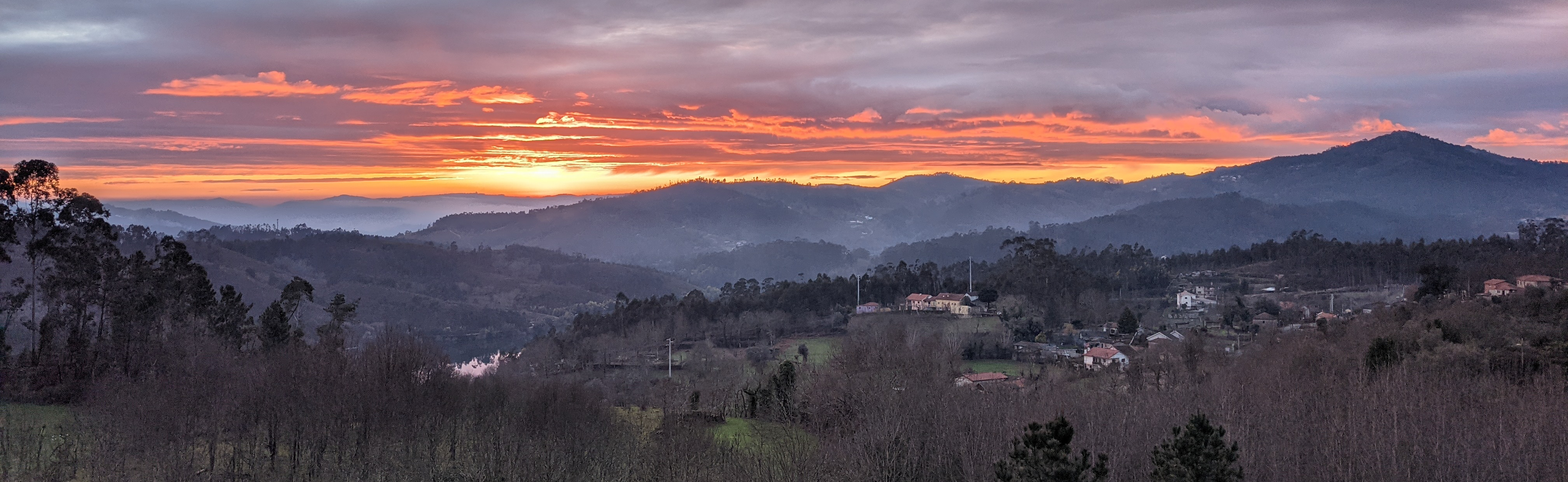
Then, one afternoon last summer, Tal sat on the sunset bench overlooking our land, and as she listened to the soundscape (or “the sound escape,” as Oliver calls it), she realized the farm was humming. She let “The Humming Farm” bounce around her head for a bit, until the Hebrew word, “הומיה” (pronounced, “Homiyah”), came to her.
She knew, instantly, that she had found the one.
“הומיה” is a poetic form of a word that encapsulates the longing for a home—originally the pining of the Jewish soul for its homeland. It’s very close in sentiment to the Portuguese concept of “saudade.” In its prosaic form “הומה” means busy, vibrant, buzzing, or full of life.
We feel that all of those meanings capture the color of our farm, our dreams, and our temperament. And it has the added bonus of sounding like “Home” (“Yeah!”).
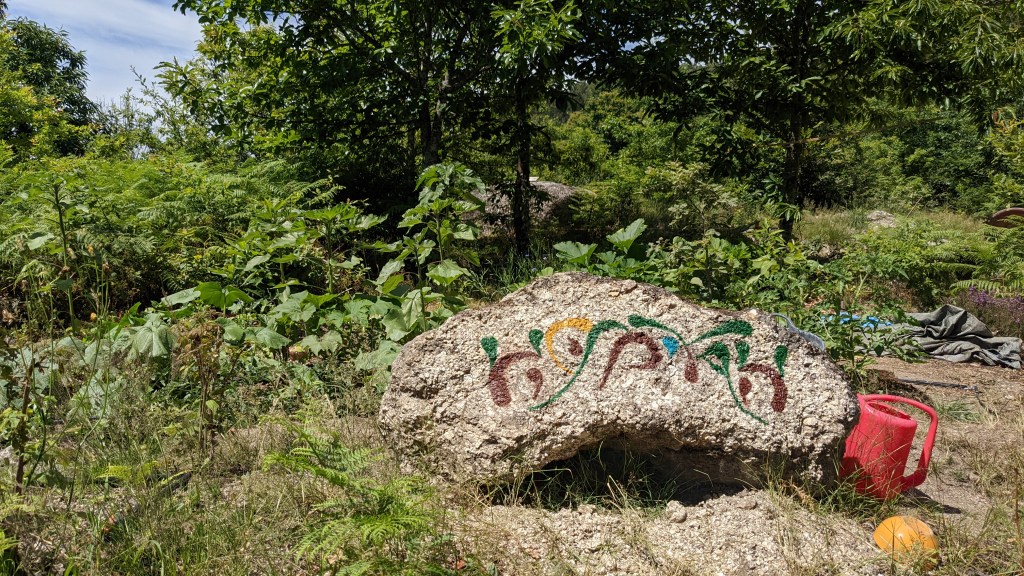
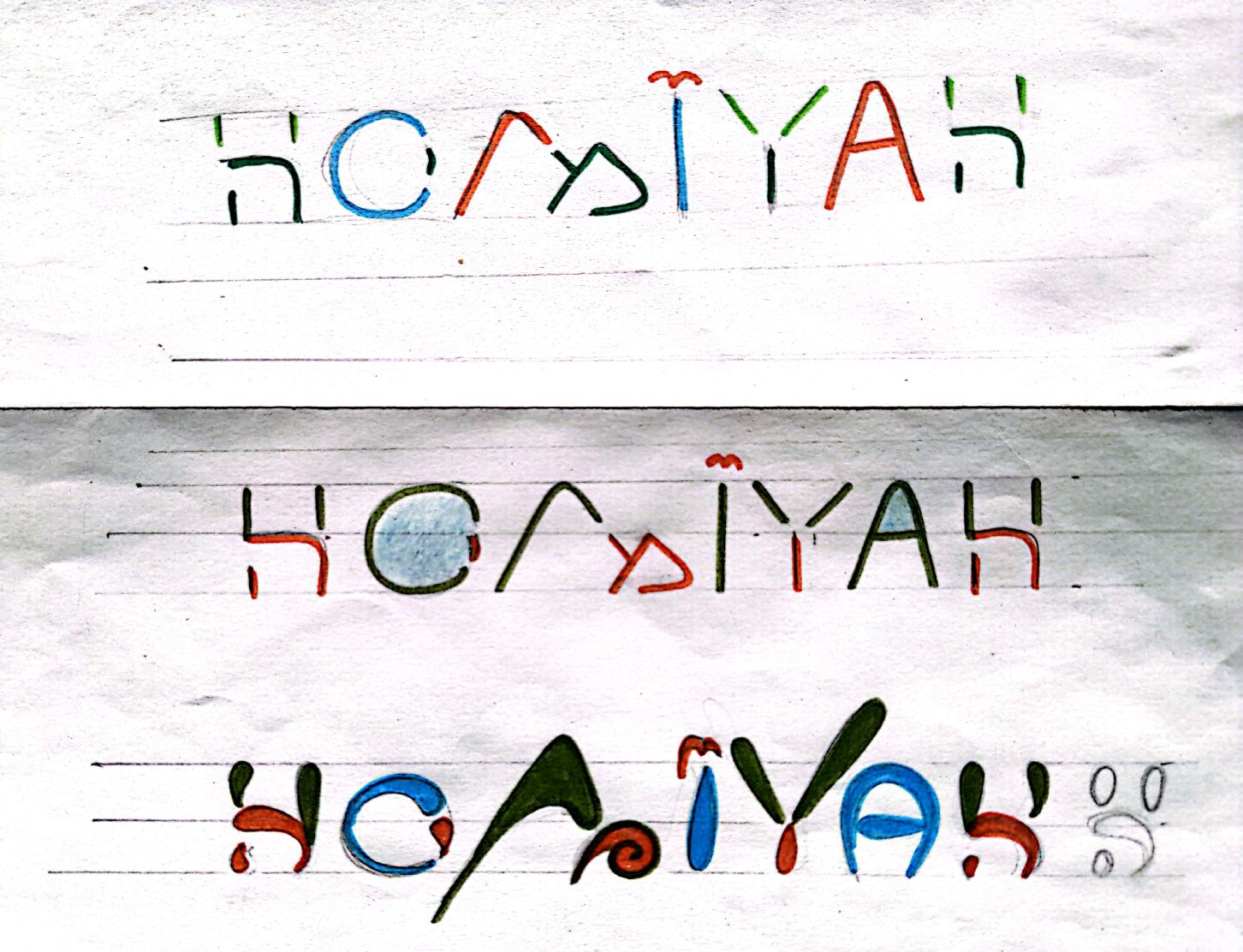
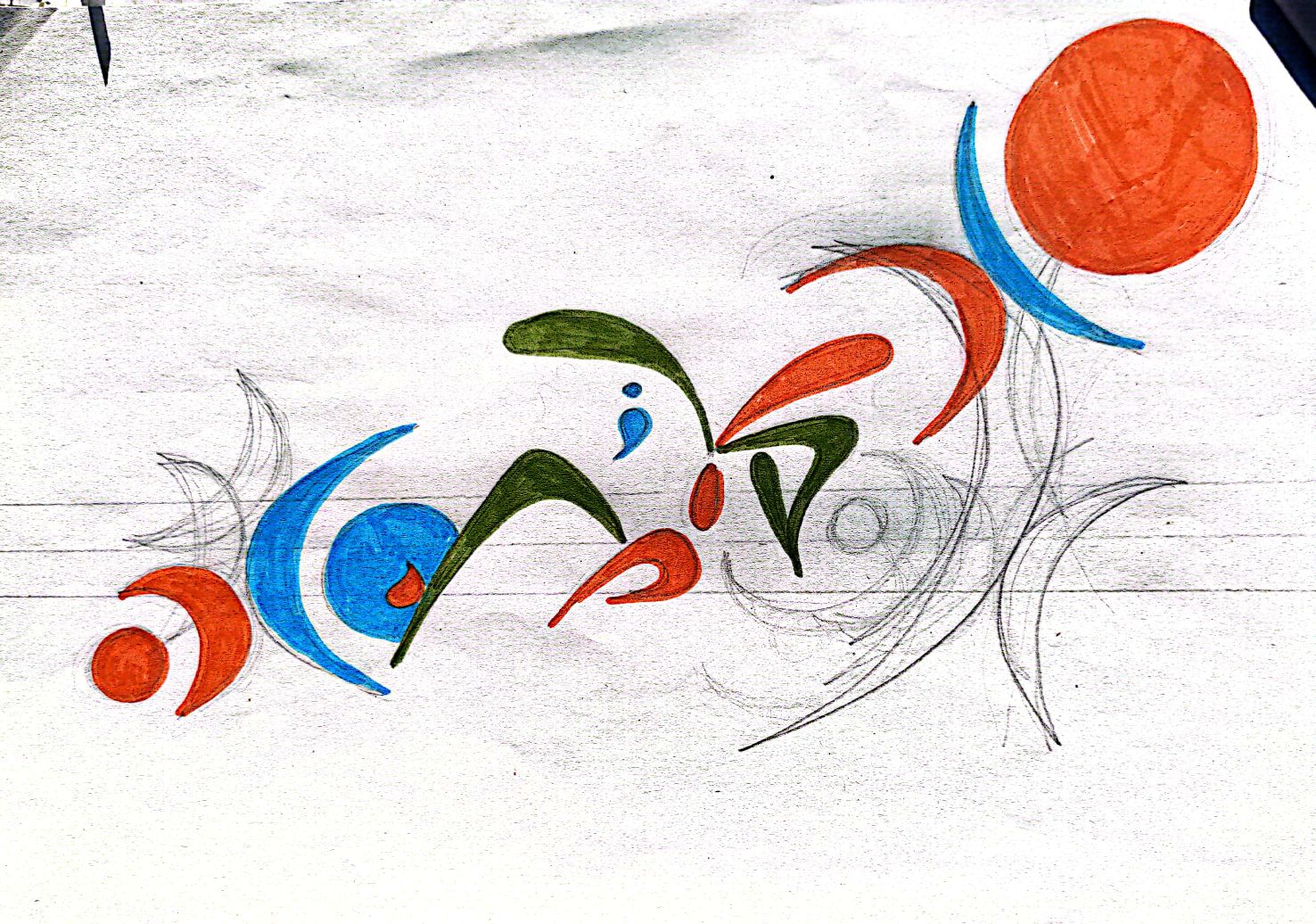
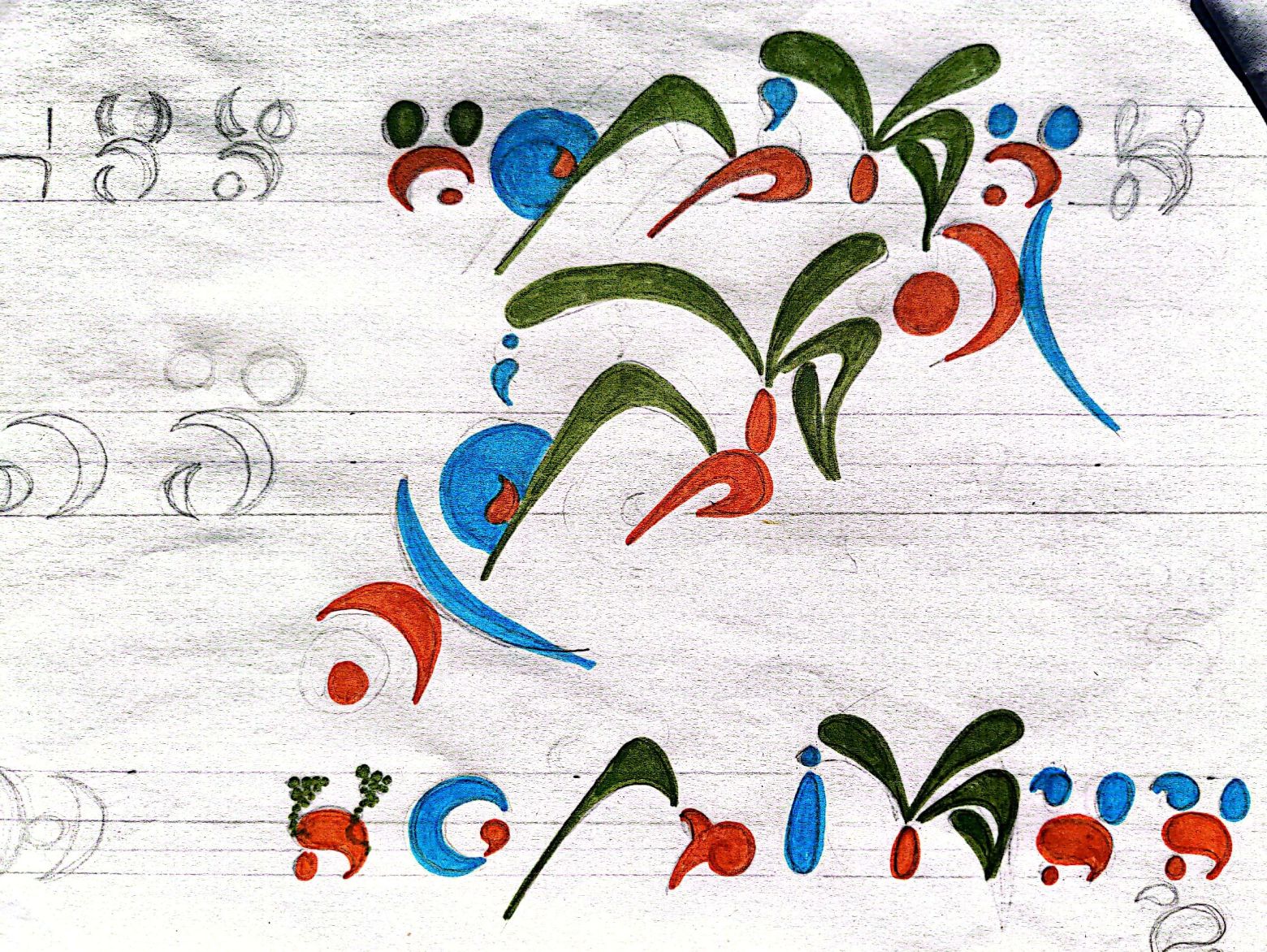
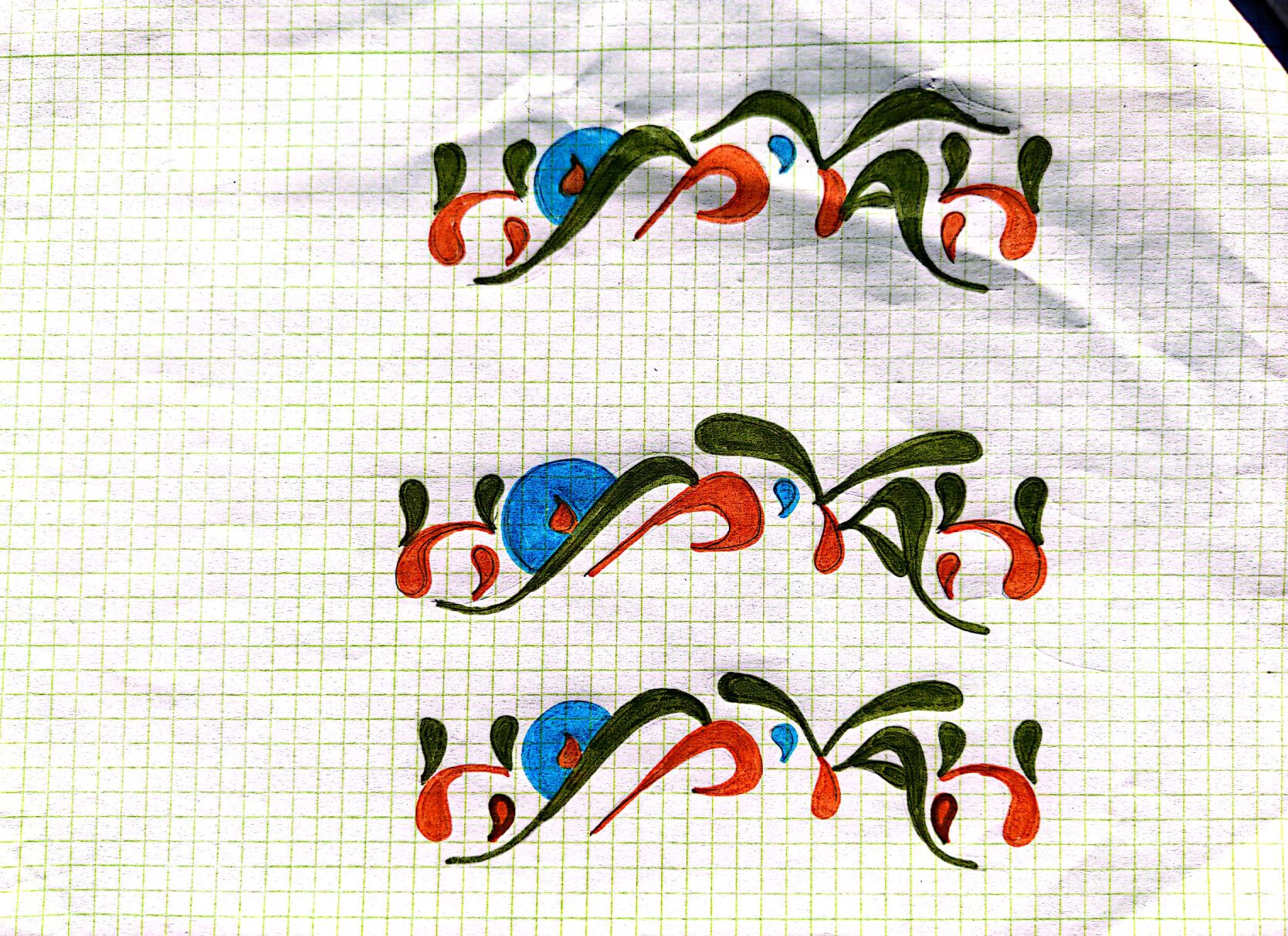
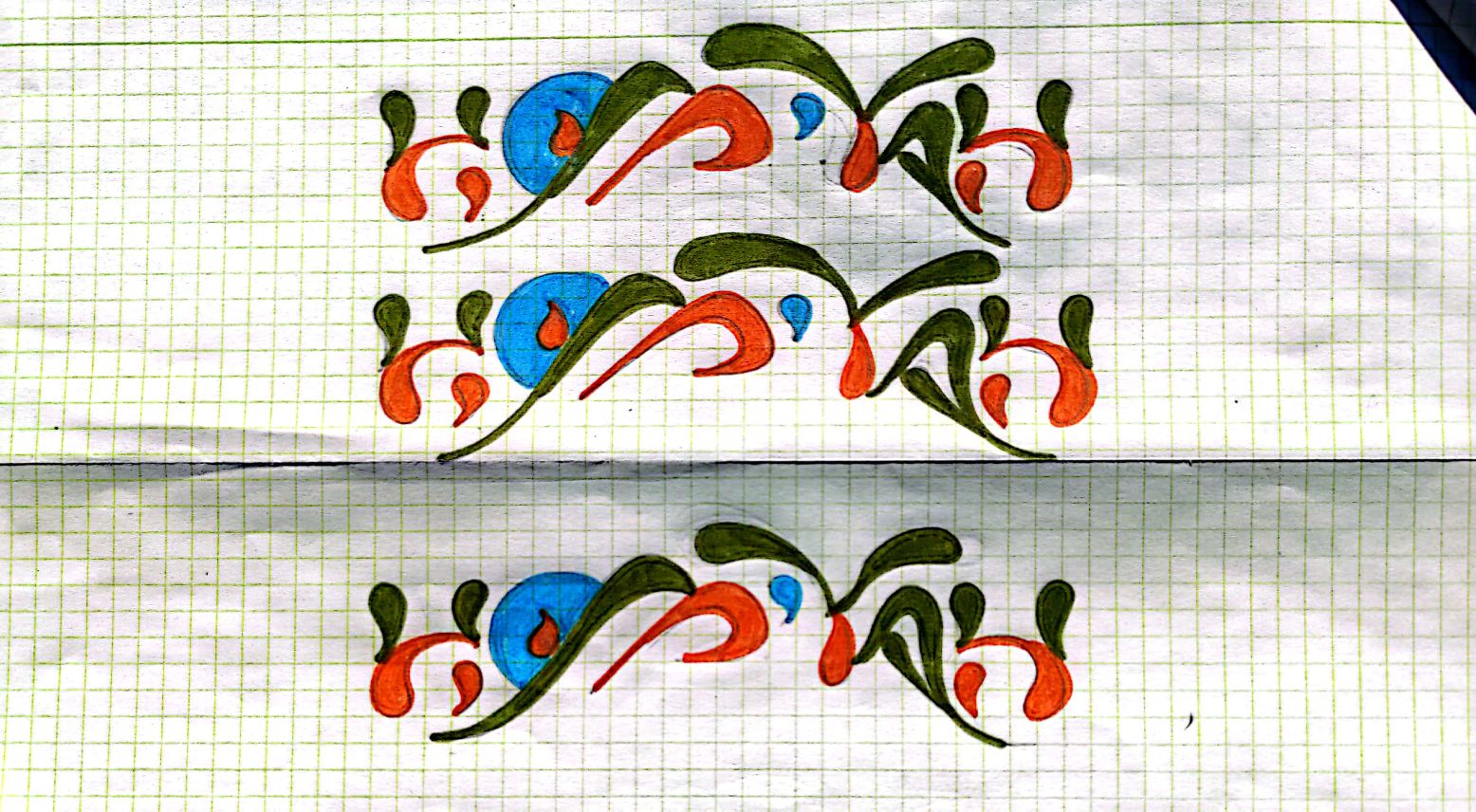
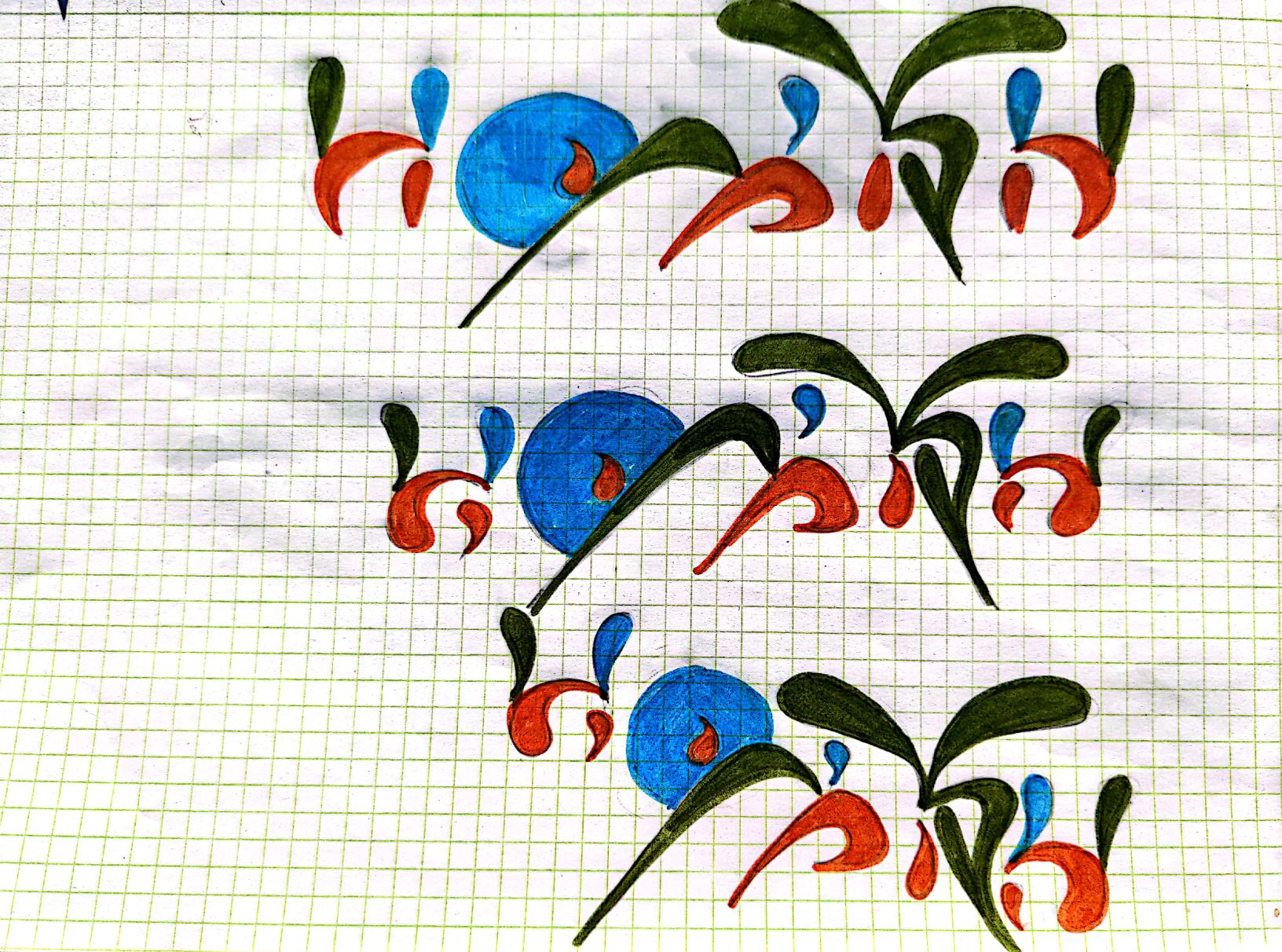
For the logo, Tal was guided by the desire to capture, graphically, the interplay of languages (and cultures) that is at the heart of our daily experience and identity. It is a tension familiar to anyone who has found a home away from their home, or who comes from a long line of people for whom pining for a home is a resting state—who always pine for a home, even when they are, ostensibly, there.
The brown letters read “הומיה” from right to left, and everything together reads “Homiyah,” from left to right. As Tal played with the logo she found the green of our trees, the brown of our surrounding hills, the blue of our water, and the orange of our rising and setting sun.

 Homiyah